

Remembrance
The Sikh soldiers we remember
11 November · Remembrance Day
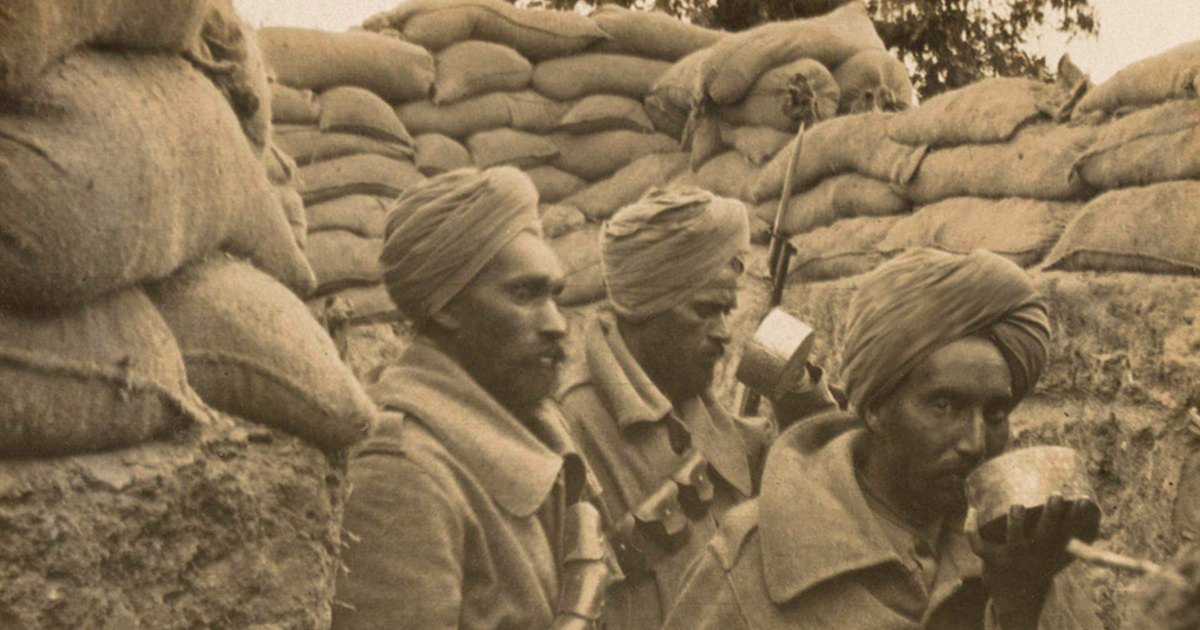
More than a quarter of a million Sikh soldiers served Britain and its allies in the two World Wars. They fought in the mud of France, on the beaches of Gallipoli and in the jungles of Burma, thousands of miles from Panjab. On 11 November, when the poppies come out, these are some of the men we remember.
A quarter of a million
When the First World War began, the Indian Army had about 150,000 men. By the end it had grown to more than a million, and in the Second World War about 2.5 million people served at its peak. Sikhs were a small share of India’s people, but a large share of its soldiers. Canada Post, honouring them in 2025, put the number of Sikh soldiers who served in the two World Wars at more than a quarter of a million.
The Commonwealth War Graves Commission today cares for the graves and memorials of more than 160,000 Indian servicemen and women who died in the two wars. Behind each name is a village in Panjab, a family that waited for letters, and a story that was often never written down.
Saragarhi, 12 September 1897
The story many Sikhs learn first happened before the World Wars, on the North-West Frontier. On 12 September 1897, twenty-one soldiers of the 36th Sikhs, led by Havildar Ishar Singh, held the small signal post of Saragarhi against thousands of Orakzai and Afridi tribesmen. They refused to surrender and fought until every one of them was killed. The last to fall was the signaller, Gurmukh Singh, who had kept Fort Gulistan informed as the battle went on.
All twenty-one were awarded the Indian Order of Merit, then the highest gallantry award an Indian soldier could receive. 12 September is still the Battle Honours Day of the Sikh Regiment, and Gurdwaras at Amritsar and Ferozepur carry the name Saragarhi.
France, 1915: a long way from Panjab
Indian soldiers reached the Western Front in the autumn of 1914 and faced a cold, wet winter in the trenches, far from home. In March 1915 they fought at Neuve-Chapelle. Today the Neuve-Chapelle Memorial in France carries the names of more than 4,700 Indian soldiers and labourers who have no known grave. Its inscription, “God is One, He is the Victory”, is written in English, Arabic, Hindi and Gurmukhi.
One of the men at Neuve-Chapelle was Subedar Manta Singh. He was badly wounded while rescuing a British officer, Captain Henderson. Manta Singh was taken to the Kitchener Indian Hospital in Brighton, England, where both his legs were amputated, and he died on 15 March 1915. Years later, Captain Henderson encouraged Manta Singh’s son, Assa Singh, to join the Sikh Regiment, and in the Second World War Assa Singh and Henderson’s son Robert served side by side.
Gallipoli, 1915
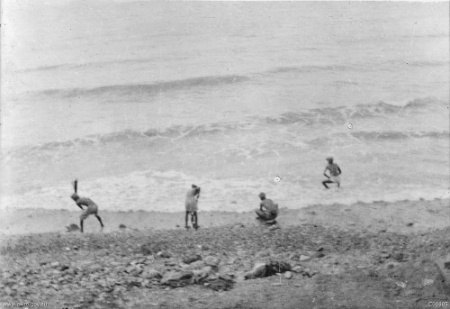
Around sixteen thousand Indian soldiers fought in the Gallipoli campaign in Turkey, alongside Australian and New Zealand troops. About sixteen hundred of them became casualties. The 14th Sikhs suffered some of the heaviest losses of all: by one count, eighty per cent of the battalion were killed or wounded in June 1915 alone.
Brighton: the Chattri
Wounded Indian soldiers were sent to hospitals in Brighton, on England’s south coast. The Kitchener Indian Hospital there was set up to care for Sikh, Muslim and Hindu patients. Fifty-three Hindu and Sikh soldiers who died in Brighton were cremated on the hills above the town, and on 1 February 1921 a memorial, the Chattri, was unveiled on that spot by the Prince of Wales. It remains a place of remembrance today.
Burma, 2 March 1945: Naik Gian Singh, VC
In the Second World War, the fighting in Burma was among the hardest of the war. On 2 March 1945, on the Kamye–Myingyan road, Naik Gian Singh of the 15th Punjab Regiment led his section against Japanese positions. Wounded in the arm, he kept going, cleared enemy foxholes with grenades, and then rushed an anti-tank gun that was firing on British tanks, killing its crew and capturing the gun on his own. Ordered to the aid post, he asked to keep leading his men until the fight was won, and was allowed to.
He was awarded the Victoria Cross, the highest award for bravery in the British and Commonwealth forces. His citation says his gallantry, devotion to duty and leadership “could not have been surpassed”.
Canada: Private Buckam Singh
Only ten Sikhs are known to have served in Canada’s army in the First World War. Many more wanted to, but discrimination kept them out. One of the ten was Buckam Singh, born on 5 December 1893 in Mahilpur, Panjab, who came to Canada at fourteen. In 1915 he was working as a farm hand in Rosebank, Ontario, when he enlisted. He served with the 20th Battalion in Europe and was wounded twice. He is said to have been treated by Dr. John McCrae, the author of “In Flanders Fields”.
Buckam Singh caught tuberculosis while recovering in England and died in a Kitchener hospital on 27 August 1919. He is buried in Mount Hope Cemetery in Kitchener, about an hour from London, Ontario. His grave is the only known military grave in Canada of a Sikh soldier from the World Wars. Every year the Sikh community holds a Remembrance Day ceremony there, and on 2 November 2025 Canada Post unveiled a Remembrance Day stamp at that ceremony, showing his grave.
ਸੂਰਾ ਸੋ ਪਹਿਚਾਨੀਐ ਜੁ ਲਰੈ ਦੀਨ ਕੇ ਹੇਤ ॥
ਪੁਰਜਾ ਪੁਰਜਾ ਕਟਿ ਮਰੈ ਕਬਹੂ ਨ ਛਾਡੈ ਖੇਤੁ ॥
Sūrā so pahichānīai ju larai dīn ke het. Purjā purjā kaṭ marai kabhū na chhāḍai khet.
“He alone is known as a hero who fights to defend the helpless and the right. He may be cut apart, piece by piece, but he never leaves the field.”
Bhagat Kabir’s words describe the courage these men showed on the field. But remembering them also means remembering what they were not given.
What the official story left out
For a long time, the state narrative of the World Wars had little room for these men. They were recruited as a “martial race”, praised for their courage, and then mostly left out of the history books and the films. The people’s truth is harder. In May 1914, a few months before Sikh soldiers sailed for France, the ship Komagata Maru reached Vancouver with 376 passengers, at least 337 of them Sikhs. Almost none were allowed to land. After two months in the harbour, the ship was forced to leave on 23 July 1914. Canada’s Prime Minister apologised in the House of Commons on 18 May 2016.
So the same men who fought for the freedom of others were not always free to live where they chose. To bear witness on Remembrance Day is to hold both truths at once: the courage on the field, and the injustice at home. That is how memory becomes Insaaf, justice.
Sikh soldiers in dates
- 189712 September
Saragarhi
Twenty-one soldiers of the 36th Sikhs hold the post to the last man.
- 191423 July
Komagata Maru leaves Vancouver
Its mostly Sikh passengers are refused entry to Canada.
- 191515 March
Subedar Manta Singh dies
He dies in Brighton after rescuing a British officer at Neuve-Chapelle.
- 1915June
Gallipoli
The 14th Sikhs lose about eighty per cent of the battalion.
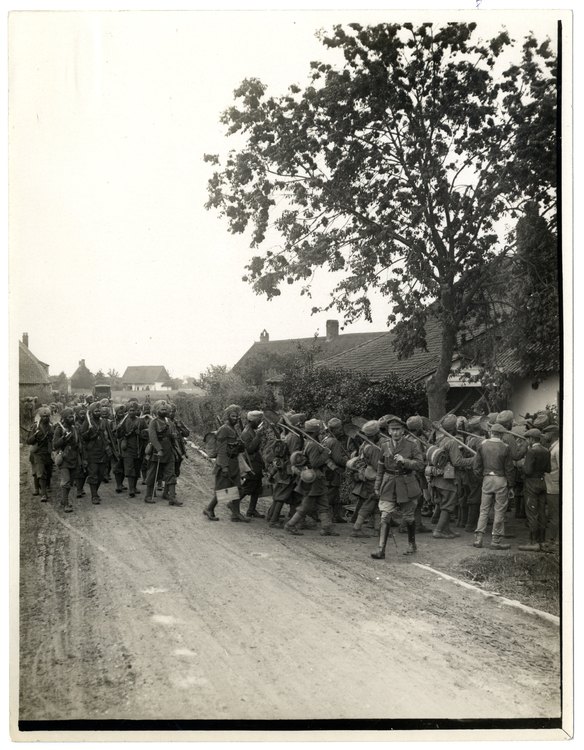
- 191524 July
Le Sart, France
The 15th Sikhs are photographed on the march.
- 191927 August
Private Buckam Singh dies
He is buried in Mount Hope Cemetery, Kitchener, Ontario.
- 19211 February
The Chattri is unveiled
The memorial marks where Hindu and Sikh soldiers were cremated near Brighton.
- 19452 March
Naik Gian Singh, VC
His bravery in Burma wins the Victoria Cross.
- 20252 November
A stamp for Private Singh
Canada Post unveils a Remembrance Day stamp at Buckam Singh’s grave.
Read also: Saka Panja Sahib · The Sikh Empire, 1799–1839 · The sword in Sikhi: Miri and Piri
Keep our history alive
Join us at the next club event and meet the families who carry these stories.
See what’s onThe Sikh Empire, 1799–1839 · The Anandpur Sahib Resolution · Panjab, the land of five rivers
Sources and further reading
- Commonwealth War Graves Commission, “Courage, sacrifice, honour: cemeteries and memorials commemorating Indian Army personnel” (2025).
- Canada Post, “Canada Post honours courage and sacrifice of Sikh soldiers with Remembrance Day stamp”, 2 November 2025.
- “Sikh Canadians in the First World War”, The Canadian Encyclopedia.
- “Komagata Maru”, The Canadian Encyclopedia.
- “Battle of Saragarhi: remembering brave exploits of Sikh soldiers”, SBS Punjabi.
- “Lest we forget: remembering Sikh soldiers on Gallipoli”, SBS.
- “Brighton Warrior: Manta Singh”, SikhMuseum.com.
- Imperial War Museums, War Memorials Register: the Chattri, Brighton.
- Burma Star Memorial Fund, “Naik Gian Singh VC, 15th Punjab Regiment”.
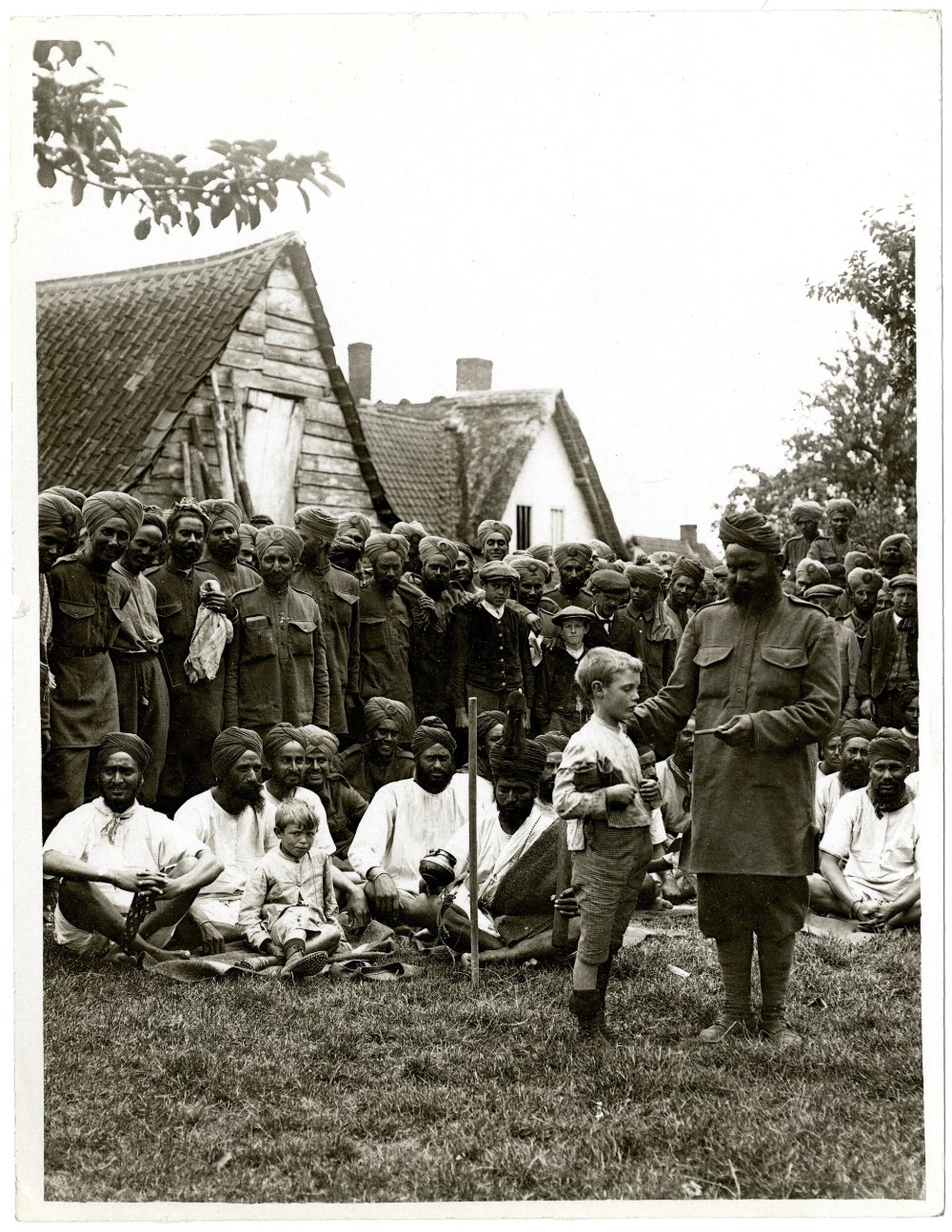
- Photographs: A company of 15th Sikhs, Le Sart; Sikhs and French villagers, Le Sart; Sikh troops at Anzac Cove; Indian soldiers in a trench, Gallipoli, all via Wikimedia Commons (public domain).
- Sri Guru Granth Sahib, Ang 1105 (Salok Bhagat Kabir Ji), SriGranth.org.