From Bhai Jetha to Guru Ram Das
Guru Ram Das Ji was born in 1534 in Chuna Mandi, Lahore, and was named Jetha. His parents, Hari Das and Mata Anup Devi, also remembered as Mata Daya Kaur, died when he was about seven, and he was raised by his grandmother in the village of Basarke. As a boy he earned his keep selling boiled chickpeas in the market.
In Basarke he met Guru Amar Das Ji, the third Guru, and followed him to Goindwal. There he served wherever he was needed: in the langar, and carrying earth for the baoli, the stepped well the Guru was building for the town. In 1553 he married Bibi Bhani, Guru Amar Das Ji’s daughter.
In 1574 Guru Amar Das Ji passed the Guruship to him, and Bhai Jetha became Guru Ram Das, the fourth Guru of the Sikhs. His youngest son, Guru Arjan Dev Ji, would become the fifth.
The man who carried earth at Goindwal became the Guru. In Sikh tradition, no service is too small.
The life of Guru Ram Das Ji
The city of the Guru
Guru Ram Das Ji founded a new town around a pool on land Guru Amar Das Ji had set aside, and began the work of digging it out as a sarovar. He invited traders and craftspeople of every background to settle there. The town, first called Ramdaspur or Guru ka Chak, grew into Amritsar, named after the pool of nectar at its heart.
Guru Arjan Dev Ji later built Sri Harmandir Sahib in the middle of that sarovar. The langar there still carries the fourth Guru’s name, Guru Ram Das Langar, and serves free meals to tens of thousands of people of every faith, every day.
The wedding hymns
Guru Ram Das Ji’s 638 hymns in Sri Guru Granth Sahib Ji are set in 30 ragas. Among them are the four Laavan, sung at every Sikh wedding. As each verse is sung, the couple walk around Sri Guru Granth Sahib Ji together, so every Anand Karaj in London and around the world carries his words.
His hymns return again and again to humility, and to beginning each day with the Name. One of his best-known lines describes the life of a Sikh:
ਗੁਰ ਸਤਿਗੁਰ ਕਾ ਜੋ ਸਿਖੁ ਅਖਾਏ ਸੁ ਭਲਕੇ ਉਠਿ ਹਰਿ ਨਾਮੁ ਧਿਆਵੈ ॥
Whoever calls themselves a Sikh of the true Guru rises early and remembers the Name.
Guru Ram Das Ji, Gauri ki Vaar
When the Gurpurab falls
The Sikh institutions in Amritsar date the Gurpurab by the traditional calendar, so it moves from year to year. In 2026 it is marked on Tuesday 27 October, and Amritsar is lit up for three days, from 25 to 27 October, with a nagar kirtan through the city on the 26th.
Some sangats follow the solar Nanakshahi calendar of 2003, which places the day on 9 October. That is when it was marked this year at his birthplace in Chuna Mandi, Lahore, by Sikh pilgrims from Pakistan, Canada and around the world.
How the day is marked
- At the Gurdwara: a continuous reading of Sri Guru Granth Sahib Ji completed on the day, kirtan of the Guru’s own hymns, Ardas, and langar for everyone.
- In Amritsar: Sri Harmandir Sahib and the Gurdwaras around it are lit with lamps, and fireworks rise over the sarovar after the evening prayers.
- At home: families light lamps, visit the Gurdwara together, and many give time to sewa in the langar.
London’s Gurdwaras hold their own programmes. Check with your local Gurdwara for timings.
For our neighbours and friends
A simple “Happy Gurpurab” is always welcome. In Panjabi: ਗੁਰਪੁਰਬ ਦੀਆਂ ਲੱਖ ਲੱਖ ਵਧਾਈਆਂ (Gurpurab diyan lakh lakh vadhaiyan), “many, many congratulations on the Gurpurab”. Everyone is welcome at a Gurdwara and at the langar, whatever their faith.
What it means to our club
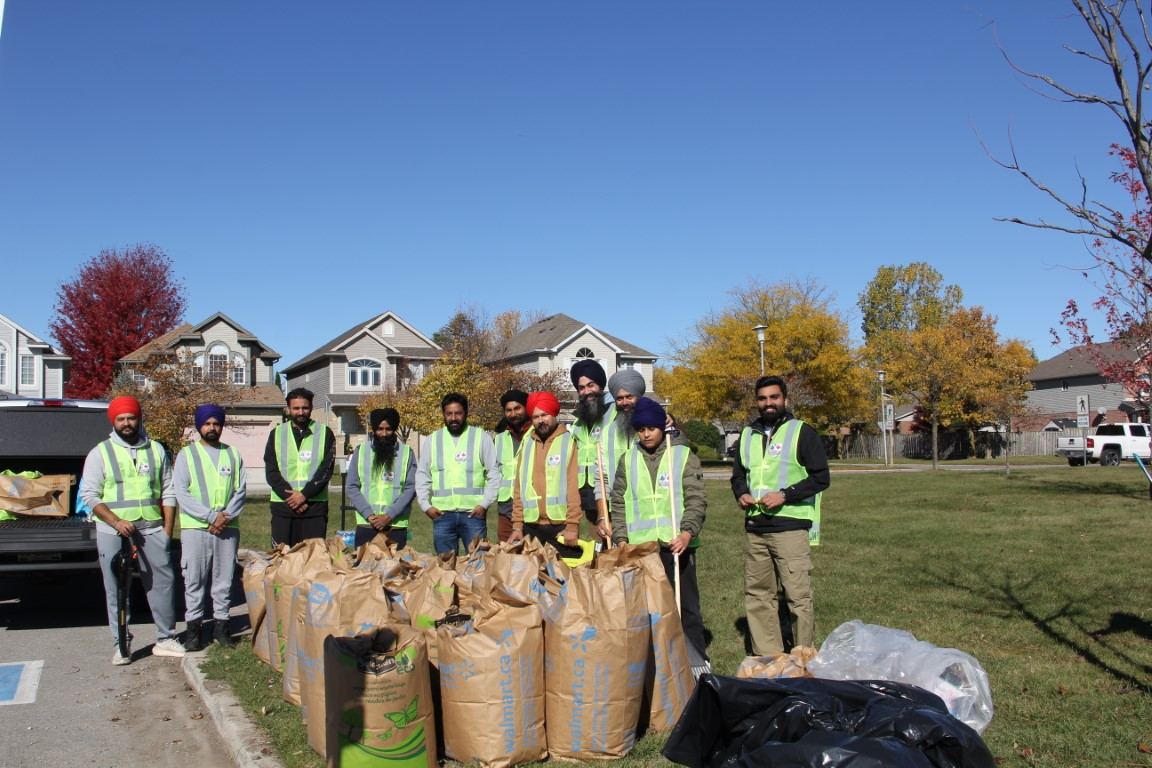
Guru Ram Das Ji’s life began with service long before it was a life of leadership. He served the langar, carried earth, and welcomed people of every trade and background to the city he founded. The Panjabi Sports and Social Club tries to work in that spirit: an hour picking litter in Meadowgate Park, a morning at the blood camp, or a shift setting up an event is sewa too, offered to neighbours we may never meet.
Sources
This page is a short introduction written by the Panjabi Sports and Social Club, London, Ontario, for our community and neighbours. Accounts of the Guru’s life differ in some details and dates; readers who want to go further should ask at their Gurdwara or consult published Sikh histories. The date of the Gurpurab follows the calendar of the Sikh institutions in Amritsar and is confirmed each year.