

History
After the Lion of Panjab
1839 – 1845 · The fall of the Sikh Empire, part 1
Lahore, June 1839. The most powerful ruler in India outside the British Empire is dying, and the men around his bed are already counting what comes next. Within six years his kingdom will have lost three Maharajas, a regent and most of its leaders, and it will be preparing for war.
The night the Lion fell silent
On 27 June 1839, Maharaja Ranjit Singh died in Lahore. He was fifty-eight, worn down by a series of strokes, and for forty years he had been the one fixed point in Panjab.
Look at what he left behind. A kingdom running from the Khyber Pass to the Sutlej, from Kashmir to Multan. An army, the Fauj-i-Ain, drilled by veterans of Napoleon’s wars and respected across Asia. Mints striking rupees in the name of Guru Nanak Dev Ji and Guru Gobind Singh Ji, not his own. And in the treasury, the Koh-i-Noor.
ਮਹਾਂਬਲੀ ਰਣਜੀਤ ਸਿੰਘ ਹੋਇਆ ਪੈਦਾ,
ਨਾਲ ਜ਼ੋਰ ਦੇ ਮੁਲਖ ਹਿਲਾਇ ਗਿਆ ।
…
ਸ਼ਾਹ ਮੁਹੰਮਦਾ ਜਾਣ ਪਚਾਸ ਬਰਸਾਂ,
ਹੱਛਾ ਰੱਜ ਕੇ ਰਾਜ ਕਮਾਇ ਗਿਆ ।
Mahabali Ranjit Singh hoeya paida, naal zor de mulakh hilai gaya … Shah Muhammada jaan pachas barsan, hachha rajj ke raj kamai gaya.
“The mighty Ranjit Singh was born, and with his strength he shook the land … Shah Mohammad, for some fifty years he ruled, and ruled well.”
What he did not leave was a plan. Everything had rested on him. The men in his court knew it, and some of them were already making their moves.
Three men beside the empty throne
The most powerful family in Lahore came from Jammu. Dhian Singh was chief minister. His brother Gulab Singh ruled Jammu. His son Hira Singh had been the old Maharaja’s favourite. Together, the Dogra brothers stood closer to the throne than anyone.
In the years that followed, almost every death in the royal house would be laid at their door. Sikh historians such as Sohan Singh Seetal call it a conspiracy. Whatever the truth, the pattern is hard to miss.
A king who could not rule
The new Maharaja was Ranjit Singh’s eldest son, Kharak Singh: gentle, devout and no match for his court. Within four months, in October 1839, his closest adviser, Chet Singh Bajwa, was cut down inside the palace, in front of him, by a party of courtiers that included Dhian Singh and the Maharaja’s own son, Nau Nihal Singh.
ਚੇਤ ਸਿੰਘ ਨੂੰ ਮਾਰਿਆ ਕੌਰ ਸਾਹਿਬ,
ਸ਼ੁਰੂ ਹੋਈ ਦਰਬਾਰ ਤਲਵਾਰ ਮੀਆਂ ।
Chet Singh nu mareya Kaur Sahib, shuru hoi darbar talwar mian.
“The Kanwar Sahib had Chet Singh killed, and the sword began to rule the court.”
Kharak Singh never recovered. Power slipped to his bold and gifted son, Kanwar Nau Nihal Singh, while the Maharaja himself sank into illness. He died on 5 November 1840, and many believed he had been slowly poisoned.
His son would not outlive him by a single day.
The gateway
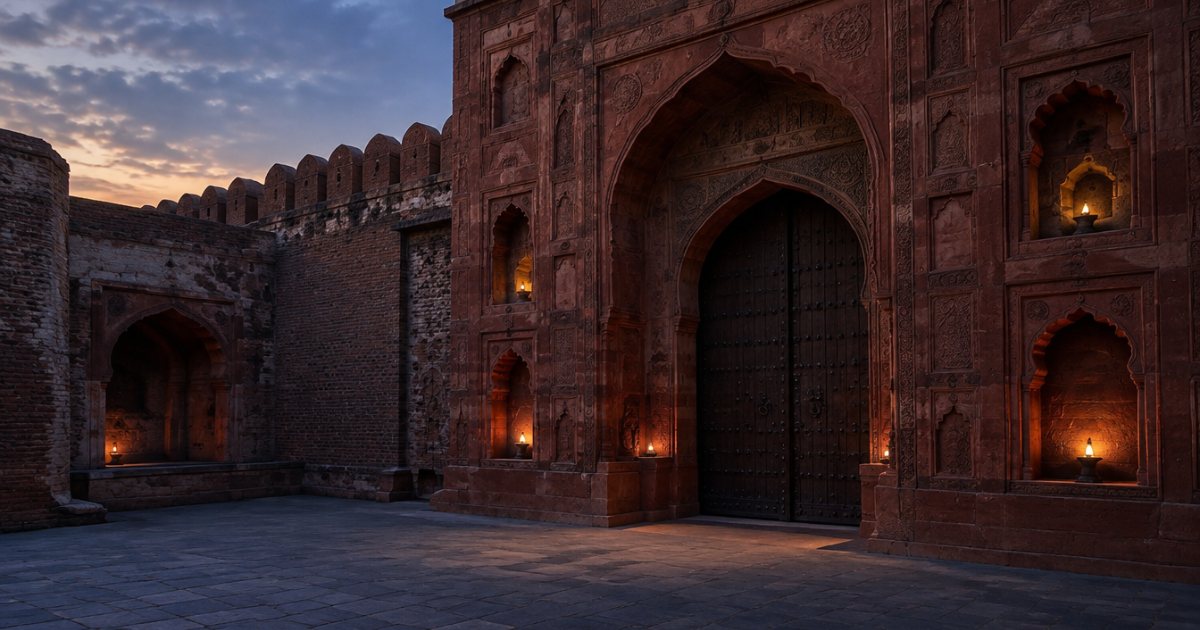
Nau Nihal Singh was nineteen, clever and fearless, the heir many hoped would become a second Ranjit Singh. Returning from his father’s cremation, he walked beneath an old gateway of the Lahore Fort. Stones crashed down on him and on Mian Udham Singh, the son of Gulab Singh, who was walking at his side. Udham Singh was killed on the spot. Nau Nihal Singh died within hours.
Accident or murder? Nobody has ever proved either. But in a single day Panjab had lost its Maharaja and the young man meant to save it.
ਸ਼ਾਹ ਮੁਹੰਮਦਾ ਦੇਖ ਰਜ਼ਾਇ ਰੱਬ ਦੀ,
ਊਧਮ ਸਿੰਘ ਤੇ ਕੌਰ ਦੇ ਸਾਸ ਚੱਲੇ ।
Shah Muhammada dekh razai Rabb di, Udham Singh te Kaur de saas challe.
“Shah Mohammad, behold the will of God: Udham Singh and the Kanwar breathed their last.”
A widow, a prince and an army
Two claimants now stepped forward. Kharak Singh’s widow, Maharani Chand Kaur, demanded the regency. Ranjit Singh’s son Sher Singh demanded the throne. In January 1841 Sher Singh marched on Lahore, and the soldiers of the Khalsa army chose him. Chand Kaur was killed by her own servants the following year.
One afternoon in September
Sher Singh gave Panjab two uneasy years. Then, on 15 September 1843, he rode out to inspect troops near Lahore. Ajit Singh Sandhanwalia stepped forward with a new gun to show him, raised it, and fired.
The Maharaja fell. His young son Partap Singh was killed the same day. So was Dhian Singh, the chief minister. By nightfall Hira Singh had hunted down the Sandhanwalias in revenge. In one afternoon, the throne, its heir and its chief minister were gone.
ਰਾਜਾ ਮਿਲਿਆ ਤਾਂ ਕਹਿਆ ਅਜੀਤ ਸਿੰਘ ਨੇ,
‘ਸ਼ੇਰ ਸਿੰਘ ਨੂੰ ਮਾਰ ਕੇ ਅਸੀਂ ਆਏ ।’
Raja milya tan kahya Ajit Singh ne, ‘Sher Singh nu maar ke asin aaye.’
“When they met the Raja, Ajit Singh said: ‘We have come from killing Sher Singh.’”
A five-year-old on the throne
The crown passed to Ranjit Singh’s youngest son, Duleep Singh. He was five years old. His mother, Maharani Jind Kaur, became regent, sharp-minded, fearless and determined to protect him.
Around her, the killing went on. Hira Singh was killed in December 1844 as he fled Lahore. The Maharani’s brother Jawahar Singh took his place. In the late summer of 1845, another of Ranjit Singh’s sons, Kanwar Peshaura Singh, was murdered at Attock. The army blamed Jawahar Singh, and on 21 September 1845 the soldiers put him to death in front of the boy Maharaja and his mother.
ਪਈ ਝੂਰਦੀ ਏ ਰਾਣੀ ਜਿੰਦ ਕੌਰਾਂ,
…
ਮੇਰੇ ਸਾਹਮਣੇ ਕੋਹਿਆ ਨੇ ਵੀਰ ਮੇਰਾ,
Pai jhurdi e Rani Jind Kauran … mere samhne kohya ne veer mera.
“Rani Jind Kaur grieves … ‘Before my very eyes they slaughtered my brother.’”
The army takes charge
Now the real power in Panjab was the Khalsa army itself. Each regiment chose a panchayat, a council of its own men, and the panchayats spoke together for the whole army. It was the old voice of the Khalsa, alive inside a modern army, and it took orders from no one.
And across the Sutlej, the East India Company was gathering troops at Ferozepur and Ludhiana. By the winter of 1845, the Khalsa army had found the one enemy every soldier could agree on.
Six years in dates
- 183927 June
Ranjit Singh dies
Kharak Singh becomes Maharaja.
- 1839October
Chet Singh Bajwa killed
Cut down in the palace in front of the Maharaja.
- 18405 November
Two deaths in one day
Kharak Singh dies; Nau Nihal Singh is fatally injured under the Lahore Fort gateway.
- 1841January
Sher Singh takes Lahore
The army backs Ranjit Singh’s son against Maharani Chand Kaur.
- 1842June
Chand Kaur killed
The widow of Kharak Singh is killed by her own servants.
- 184315 September
A day of murders
Sher Singh, his son Partap Singh and Dhian Singh are killed.
- 1843September
Duleep Singh, aged five
Crowned Maharaja, with Maharani Jind Kaur as regent.
- 1844December
Hira Singh killed
The chief minister is cut down as he flees Lahore.
- 184521 September
Jawahar Singh executed
The army puts the Maharani’s brother to death.
A legacy that outshone the court
The intrigues of Lahore lasted a few years. What Maharaja Ranjit Singh built has lasted nearly two centuries. It was his gift of gold that covered the upper storeys of Sri Harmandir Sahib, which is why the world knows it as the Golden Temple. His court was open to talent of every faith: Sikh, Hindu and Muslim ministers, generals and governors served side by side, and his foreign minister, Fakir Azizuddin, was one of his most trusted men.
Did you know? In 2020 a BBC World Histories poll of readers named Maharaja Ranjit Singh the greatest leader of all time, ahead of figures such as Abraham Lincoln and Winston Churchill.
Up next · Part 2 of 4 The First Anglo-Sikh War, 1845–1846 The Khalsa crosses the Sutlej to face the East India Company. Two of its own commanders are secretly writing to the enemy. Then comes Ferozeshah. Read part 2 →Missed the beginning? The Sikh Empire, 1799–1839
Keep our history alive
Join us at the next club event and meet the families who carry these stories.
See what’s onPanjab, the land of five rivers · The sword in Sikhism (Sikhi) · The main principles of Sikhism (Sikhi)
Sources and further reading
- Shah Mohammad, Jangnama Singhan te Firangian (c. 1846). Panjabi text as given on Panjabi Wikisource
- SikhCoins.in: The Sikh Empire
- Sohan Singh Seetal, ਸਿੱਖ ਰਾਜ ਕਿਵੇਂ ਗਿਆ (Sikh Raj Kiven Gia), in English as How Fell the Sikh Kingdom (1970)
- Khushwant Singh, How the Sikhs Lost Their Kingdom (1996)
- Joseph Davy Cunningham, A History of the Sikhs (1849)
- Major Evans Bell, The Annexation of the Punjaub and the Maharajah Duleep Singh (1882)
- SikhCoins.in: The Fall of the Sikh Empire