

History
The long exile
1849 – 1893 · The fall of the Sikh Empire, part 4
He was crowned at five, lost his kingdom at ten and was taken to the other side of the world. Then, thirteen years later, a nearly blind woman walked into a Calcutta hotel, and the last Maharaja of Panjab began to remember who he was.
The boy at Fatehgarh
After the annexation, Maharaja Duleep Singh, born on 6 September 1838, was handed to a Scottish doctor, John Login, and taken to Fatehgarh, hundreds of miles from Lahore and from anyone who had known his father.
English tutors taught him. English boys played with him. Slowly Panjab faded. In March 1853, aged fourteen, he was baptised a Christian.
The diamond goes first
The Koh-i-Noor left India before he did. In 1850 it was presented to Queen Victoria, and the next year crowds queued to see it at the Great Exhibition in London. The jewel his father had worn on his arm was now a sight for paying visitors.
The Maharaja at court
In 1854 Duleep Singh himself arrived in England, a handsome, polite young man of fifteen. Queen Victoria was charmed by him. He was welcomed at court, painted, invited everywhere.
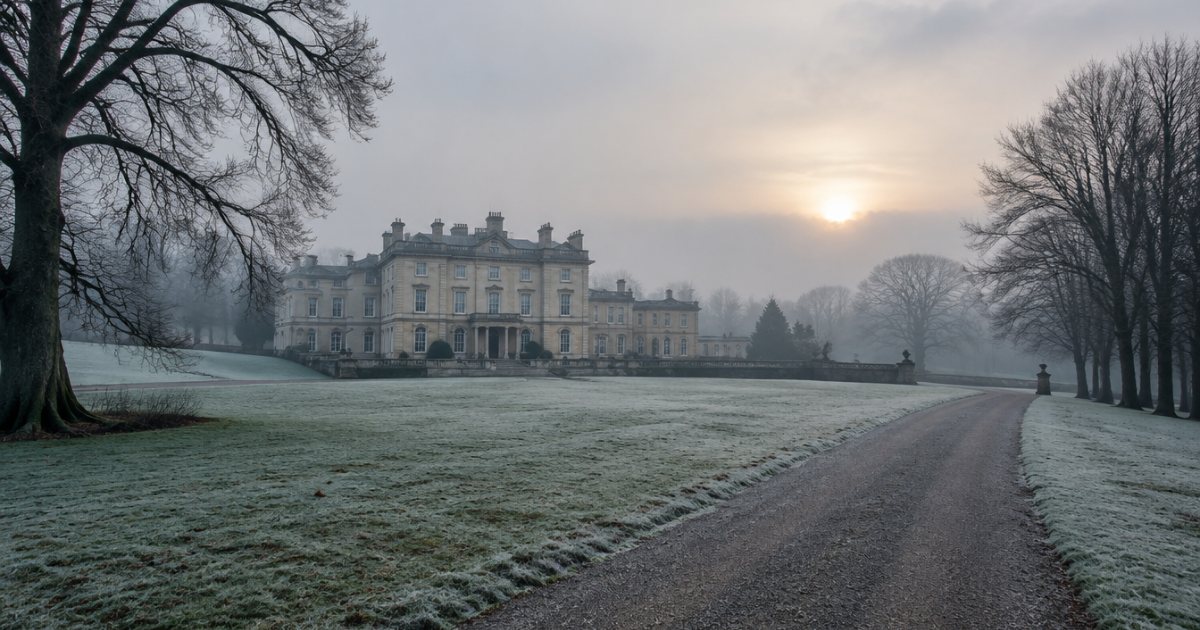
In 1863 he bought the Elveden estate in Suffolk and rebuilt the house with halls carved in the style of the palaces of India. On the outside, an English country gentleman. Inside, a memory of Lahore. And always on a pension set by others, his letters watched and his return to India quietly discouraged.
ਸਦਾ ਨਹੀਂ ਜੇ ਦੌਲਤਾਂ ਫੀਲ ਘੋੜੇ,
ਸਦਾ ਨਹੀਂ ਜੇ ਰਾਜਿਆਂ ਦੇਸ਼ ਮੀਆਂ ।
Sada nahin je daulatan feel ghore, sada nahin je rajyan desh mian.
“Riches, elephants and horses do not last forever, and kings do not keep their lands forever.”
Thirteen years apart
Far away in Nepal, Maharani Jind Kaur had never stopped thinking of her son. In 1861 the British finally allowed them to meet. In January of that year, in a hotel in Calcutta, they saw each other for the first time in thirteen years.
She was unwell, and her sight was almost gone. Sikh tradition remembers the moment she reached up to touch his head and found no hair, no turban, and wept for the son she had lost to another world.
A mother’s last gift
She went back to England with him, and for her last two years she did the one thing no treaty could stop. She talked. About Panjab. About his father. About the kingdom that should have been his. British officials fretted that she was undoing everything his upbringing had been designed to achieve.
She died in London on 1 August 1863. Cremation was not then allowed in England, so her son carried her body back to India, and she was cremated at Nasik in 1864. Sixty years later her ashes were taken to Lahore and laid near the samadh of Maharaja Ranjit Singh. She had come home at last.
Turned back at Aden
The seeds she planted grew. Duleep Singh began to read his own history, to ask how his kingdom had been taken, and to challenge the British government over his lands and his pension. In 1886 he set out for India with his family.
He got as far as Aden. There the British stopped him and would let him go no further. And there, on 25 May 1886, the last Maharaja of Panjab took Amrit and returned to the faith of his fathers.
Paris
He was never allowed to go home. He spent his last years in Europe, much of it in Paris, in failing health, still dreaming of Panjab. He died there on 22 October 1893, aged fifty-five. He had wished to be cremated as a Sikh. Instead his body was taken to Elveden and buried in the village churchyard.
The kingdom had ended in 1849. But the story was not over, because his children were about to write a remarkable final chapter.
The long exile in dates
- 18386 September
Duleep Singh is born
The youngest son of Maharaja Ranjit Singh.
- 184929 March
Kingdom lost
At ten, he signs the annexation of the Panjab.
- 1850July
The Koh-i-Noor in London
The diamond is presented to Queen Victoria.
- 1853March
Baptised at Fatehgarh
Aged fourteen, he becomes a Christian.
- 1854England
A new life
Duleep Singh arrives in England and is received at court.
- 1861January
Reunion in Calcutta
Mother and son meet after thirteen years apart.
- 18631 August
Maharani Jind Kaur dies
She dies in London; that year he buys the Elveden estate.
- 188625 May
Amrit at Aden
Stopped on his way to India, he returns to the Sikh faith.
- 189322 October
Death in Paris
The last Maharaja of Panjab dies, aged fifty-five.
- 1924Lahore
Home at last
Maharani Jind Kaur’s ashes are laid near Ranjit Singh’s samadh.
- 1999Thetford
A statue
A bronze statue of Duleep Singh on horseback is unveiled in Thetford.
A family that kept the flame alight
The Maharaja’s children carried his spirit into a new century. His daughter Princess Sophia Duleep Singh became one of the boldest campaigners for votes for women in Britain, selling suffragette newspapers outside Hampton Court Palace and refusing to pay taxes while women had no vote. His daughter Princess Bamba brought the family’s treasured paintings and keepsakes home to Lahore, where they are still on show today as the Princess Bamba Collection.
In 1999, a bronze statue of Maharaja Duleep Singh on horseback was unveiled in Thetford, near Elveden, by the then Prince of Wales. The last Maharaja of Panjab, once kept far from public view, now rides proudly in an English town square, and visitors come from all over the world to see him.
Did you know? In 2018 Princess Sophia Duleep Singh appeared on a Royal Mail stamp celebrating 100 years of votes for women in Britain.
Start from the beginning The Sikh Empire, 1799–1839 That was the final part. Go back to where it all began: a nineteen-year-old riding into Lahore, and the forty years in which he built an empire. Read it →Missed the last one? Part 3: Multan to Gujrat and the annexation, 1846–1849
Keep our history alive
Join us at the next club event and meet the families who carry these stories.
See what’s onPanjab, the land of five rivers · The sword in Sikhism (Sikhi) · The main principles of Sikhism (Sikhi)
Sources and further reading
- Shah Mohammad, Jangnama Singhan te Firangian (c. 1846). Panjabi text as given on Panjabi Wikisource
- SikhCoins.in: The Sikh Empire
- Sohan Singh Seetal, ਸਿੱਖ ਰਾਜ ਕਿਵੇਂ ਗਿਆ (Sikh Raj Kiven Gia), in English as How Fell the Sikh Kingdom (1970)
- Khushwant Singh, How the Sikhs Lost Their Kingdom (1996)
- Joseph Davy Cunningham, A History of the Sikhs (1849)
- Major Evans Bell, The Annexation of the Punjaub and the Maharajah Duleep Singh (1882)
- SikhCoins.in: The Fall of the Sikh Empire