

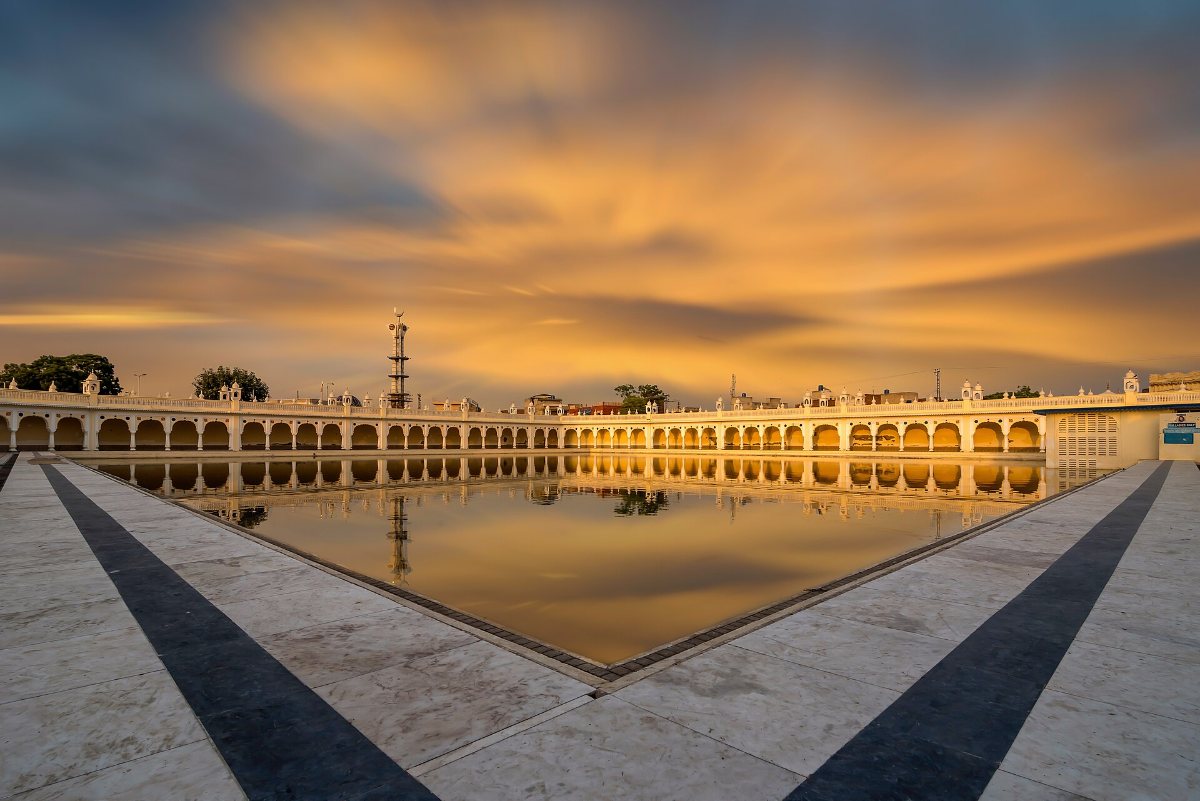
Culture and heritage
Guru Nanak Dev Ji: the Gurpurab of the first Guru
ਪ੍ਰਕਾਸ਼ ਪੁਰਬ · The 557th Prakash Purab · Tuesday 24 November 2026
On Tuesday 24 November, Sikhs around the world mark the 557th Prakash Purab of Guru Nanak Dev Ji: the Guru who ate with a carpenter instead of a rich official, named a conqueror’s cruelty out loud, and taught that nobody is born above anybody else.
A light in the fog
Guru Nanak Dev Ji was born in 1469 in Rai Bhoi di Talwandi, a village west of Lahore that the world now knows as Nankana Sahib, in Pakistan. His father, Mehta Kalu, kept the village accounts. His mother was Mata Tripta, and his elder sister, Bebe Nanaki, is remembered as the first to see who he really was.
It was a hard time to be an ordinary person. Power sat with distant rulers and their local officials. Religion was guarded by priests and qazis who decided who was pure and who was not. Caste told most people where they could sit, what they could touch and whom they could marry. The Guru’s answer to all of it began with one simple claim: there is one Creator, and every person carries the same light.
ਸਤਿਗੁਰੁ ਨਾਨਕੁ ਪ੍ਰਗਟਿਆ ਮਿਟੀ ਧੁੰਧੁ ਜਗਿ ਚਾਨਣੁ ਹੋਆ।
Satgur Nanak pargatia, miti dhundh jag chanan hoa.
“The true Guru Nanak appeared; the fog lifted and light spread across the world.”
The true bargain
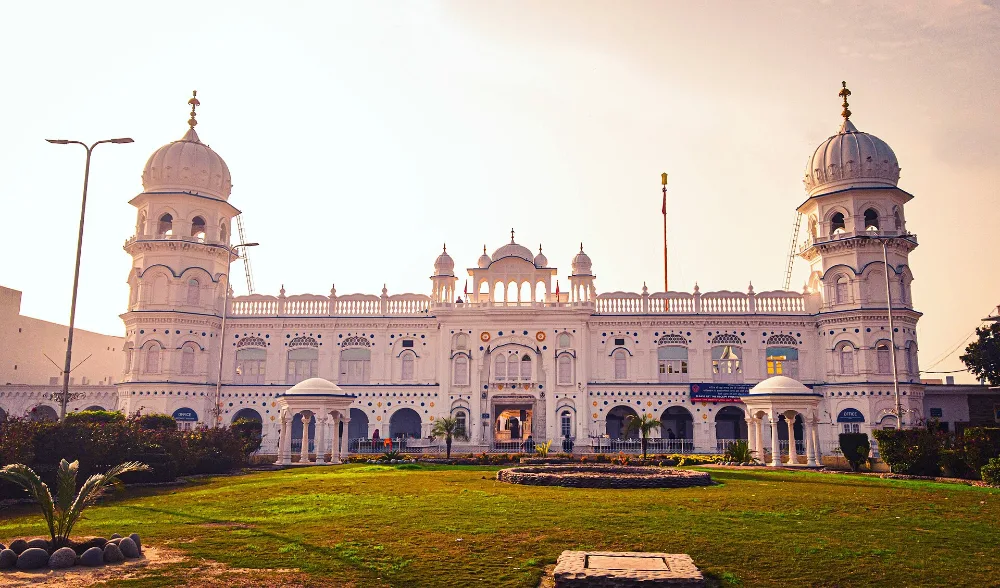
Sikh tradition remembers a teenage Nanak sent by his father to the market with twenty rupees to make a good deal. On the way he met a group of holy men who had not eaten for days. He spent the money feeding them and came home empty-handed. To his father it was a loss. To Nanak it was the only trade worth making: ਸੱਚਾ ਸੌਦਾ, Sacha Sauda, the true bargain. Gurdwara Sacha Sauda stands at the spot today, near Chuharkana in Pakistan’s Punjab.
The langar grows out of the same idea. Everyone sits in one row on the same floor and eats the same food. A king and a labourer get the same plate.
“There is no Hindu, there is no Muslim”
As a young man the Guru kept the stores of Nawab Daulat Khan Lodhi at Sultanpur Lodhi, where Bebe Nanaki lived. Around the turn of the 1500s he went to bathe in the Vein river one morning and did not come back for three days. When he returned, his first words were ਨਾ ਕੋ ਹਿੰਦੂ ਨਾ ਮੁਸਲਮਾਨ: there is no Hindu, there is no Muslim.
It was not an attack on either faith. It was a refusal to let labels decide what a person is worth. Tradition says the qazi and the Nawab asked him to prove it by praying with them, and he stood apart, because their minds were on horses and homes, not on God. Ritual without truth is empty, whoever performs it.
For more than twenty years after that, the Guru travelled on foot with Bhai Mardana, a Muslim musician who played the rabab while the Guru sang. Sikh tradition records these journeys, the udasis, reaching east to Assam, south to Sri Lanka, north into the Himalayas and west as far as Mecca and Baghdad. Wherever they went, they sang in the language of the people, not the language of the court or the temple.
Lalo’s bread and Bhago’s feast
In the town of Saidpur, now Eminabad, the Guru stayed with Bhai Lalo, a poor carpenter who lived by his own work. A rich local official, Malik Bhago, held a great feast and expected the holy man to come. The Guru stayed away. When Bhago demanded to know why, the story goes, the Guru took Lalo’s dry bread in one hand and Bhago’s rich food in the other and squeezed: milk ran from the carpenter’s bread, blood from the official’s.
The story is five hundred years old, but the question is today’s. Whose comfort is built on whose labour? Bhago’s wealth came from what was squeezed out of farmers and workers. Lalo’s came from his own hands. The Guru sat with Lalo.
ਹਕੁ ਪਰਾਇਆ ਨਾਨਕਾ ਉਸੁ ਸੂਅਰ ਉਸੁ ਗਾਇ ॥
ਗੁਰੁ ਪੀਰੁ ਹਾਮਾ ਤਾ ਭਰੇ ਜਾ ਮੁਰਦਾਰੁ ਨ ਖਾਇ ॥
Hak paraia Nanaka, us suar us gai. Gur pir hama ta bhare, ja murdar na khai.
“To take what belongs to another, O Nanak, is like pork to the Muslim and beef to the Hindu. The Guru and the spiritual guide stand by us only if we do not live off what is not ours.”
Bearing witness to Babur
Around 1520 the army of Babur, the ruler of Kabul who would go on to found the Mughal empire, fell on Saidpur. Homes were burned, men were killed, women were dishonoured and the people of the town were taken prisoner. Sikh tradition holds that the Guru and Bhai Mardana were among those held.
The Guru did not stay silent, and he did not soften what he saw. In four hymns now known as the Babarvani, he recorded the attack: the cruelty of the invaders, and the failure of local rulers who had lived in luxury and left their people to suffer. He even turned to the Creator and asked how such pain could be allowed.
ਖੁਰਾਸਾਨ ਖਸਮਾਨਾ ਕੀਆ ਹਿੰਦੁਸਤਾਨੁ ਡਰਾਇਆ ॥
ਆਪੈ ਦੋਸੁ ਨ ਦੇਈ ਕਰਤਾ ਜਮੁ ਕਰਿ ਮੁਗਲੁ ਚੜਾਇਆ ॥
ਏਤੀ ਮਾਰ ਪਈ ਕਰਲਾਣੇ ਤੈਂ ਕੀ ਦਰਦੁ ਨ ਆਇਆ ॥
Khurasan khasmana kia, Hindustan darraia. Aapai dos na dei karta, jam kar Mugal charraia. Eti maar pai karlane, tain ki dard na aaia.
“Having ruled Khurasan, Babur struck terror into Hindustan. The Creator takes no blame; He sent the Mughal as death itself. There was so much slaughter that the people cried out. Did You feel no pain?”
This is what it means to bear witness: to look at power when it is at its most violent, to name what it did, and to stand with the people who paid for it. Rulers write history as conquest and order. The Guru wrote it as the cries of ordinary people. Nearly five centuries later, Bhai Jaswant Singh Khalra did the same in Punjab, counting the bodies the police had cremated as unclaimed and refusing to let that record be erased.
“Why call her lesser?”
The Guru’s challenge reached into the home as well. In a society that kept women out of worship and treated them as impure, he asked a question that still stands.
ਸੋ ਕਿਉ ਮੰਦਾ ਆਖੀਐ ਜਿਤੁ ਜੰਮਹਿ ਰਾਜਾਨ ॥
So kio manda aakhiai, jit jammeh rajan.
“Why call her lesser, she who gives birth to kings?”
Equality was not an extra in his message. It was the message: one Creator, one light, one row in the langar.
Kartarpur: a town that lived the teaching
In his last years the Guru settled at Kartarpur, on the bank of the Ravi, and worked the land with his own hands. Here the three pillars Sikhs still live by took daily shape: naam japna, keeping the Creator in mind; kirat karni, earning an honest living; and vand chhakna, sharing what you have. There was no landlord at the centre of the village and no priest standing between people and God. There was a kitchen, a congregation and the fields.
ਘਾਲਿ ਖਾਇ ਕਿਛੁ ਹਥਹੁ ਦੇਇ ॥
ਨਾਨਕ ਰਾਹੁ ਪਛਾਣਹਿ ਸੇਇ ॥
Ghaal khai kichh hathhu dei. Nanak rahu pachhaneh sei.
“One who earns by honest work and gives some of it away, O Nanak, recognises the true path.”
Before he left this world on 22 September 1539, the Guru passed the Guruship not to his own sons but to his most devoted Sikh, Bhai Lehna, who became Guru Angad Dev Ji. Even at the end, he chose service over bloodline.
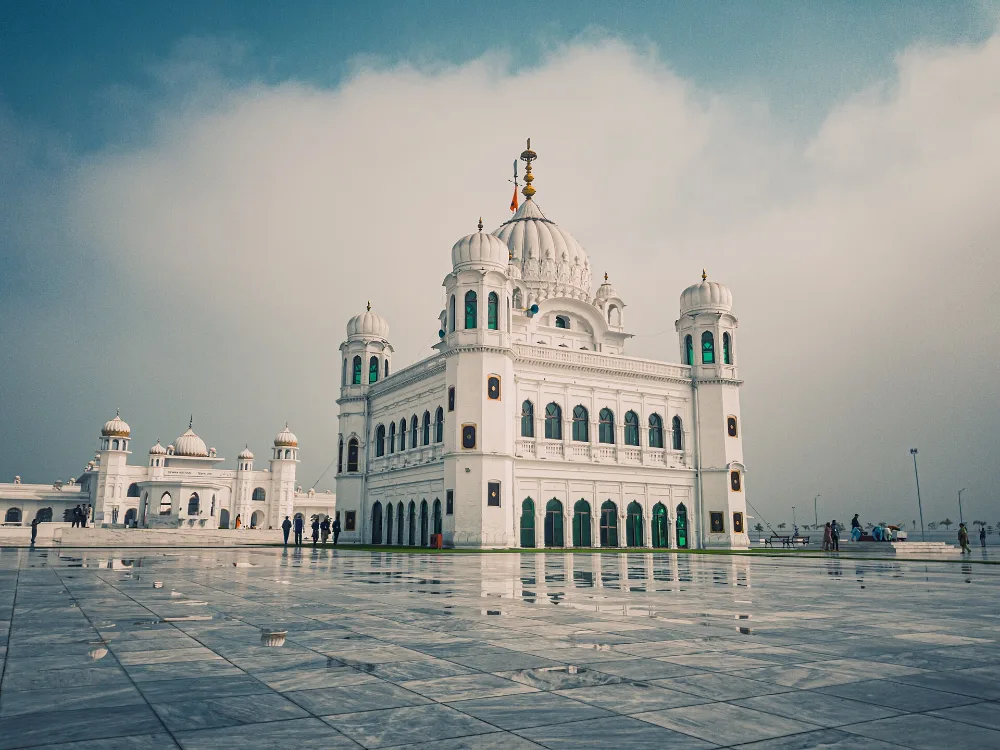
The Guru’s places, and the lines drawn between
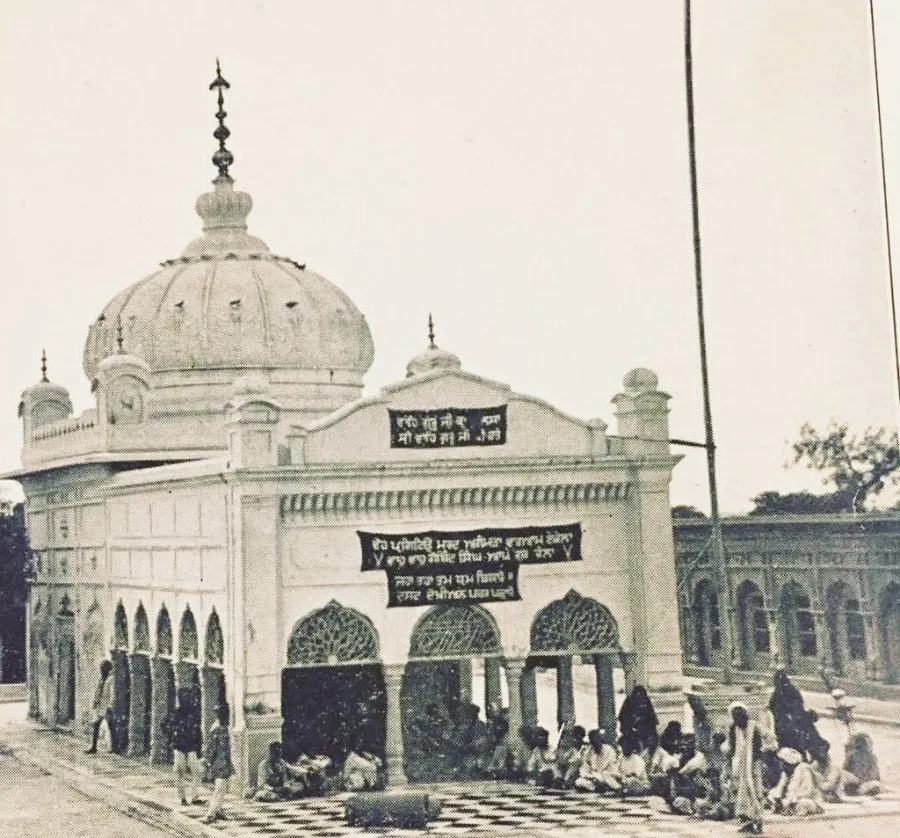
The Janam Asthan has its own history of sacrifice. On 20 February 1921, Sikhs who came to free the shrine from its corrupt mahant, Narain Das, were killed inside its walls by men he had hired. The Saka of Nankana Sahib became a turning point in the movement that won the Gurdwaras back for the sangat.
When Panjab was divided in 1947, Nankana Sahib, Kartarpur, Sacha Sauda and many of the Guru’s other places ended up on the Pakistan side of the new line. For decades Sikhs in India could see Gurdwara Darbar Sahib, Kartarpur, only from a viewing point across the border, a few kilometres away.
In November 2019, for the 550th Prakash Purab, the Kartarpur Corridor opened and pilgrims from India could walk to the Gurdwara without a visa. On 7 May 2025, after the attack at Pahalgam and the conflict between India and Pakistan that followed, India suspended the corridor, and it is still closed. The Punjab Assembly has called for it to reopen, and Punjab’s Chief Minister has asked the Prime Minister to reopen it before this year’s Gurpurab. Decisions taken far away in national capitals still decide who may bow at the Guru’s door.
When the Gurpurab falls
The Gurpurab is kept on Kattak di Puranmashi, the full moon of the month of Kattak, so its date on the Western calendar moves from year to year. In 2026 it falls on Tuesday 24 November: the 557th Prakash Purab.
The date has its own history. Several early accounts of the Guru’s life, including the Puratan Janamsakhi, place his birth in Vaisakh, in the spring of 1469. The Bala Janamsakhi placed it at the Kattak full moon, and over time that became the day the Gurpurab is kept. Historians still debate it; the celebration stays on Kattak di Puranmashi.
How the day is marked
- In the days before: early-morning prabhat pheris, small groups singing hymns through the streets, and in many cities a nagar kirtan, a procession led by Sri Guru Granth Sahib Ji.
- At the Gurdwara: an Akhand Path, the unbroken reading of Sri Guru Granth Sahib Ji over about 48 hours, ends on the morning of the Gurpurab, followed by kirtan, Ardas and langar for everyone.
- At home: families light deeve and candles, visit the Gurdwara together and give time to sewa in the langar.
- At Nankana Sahib: pilgrims from around the world gather at the Guru’s birthplace, which is lit up for the occasion.
Because the Gurpurab falls on a weekday this year, many Gurdwaras hold their main programme on the nearest weekend. London’s Gurdwaras hold their own programmes. Check with your local Gurdwara for timings.
For our neighbours and friends
A simple “Happy Gurpurab” is always welcome. In Panjabi: ਗੁਰਪੁਰਬ ਦੀਆਂ ਲੱਖ ਲੱਖ ਵਧਾਈਆਂ (Gurpurab diyan lakh lakh vadhaiyan), “many, many congratulations on the Gurpurab”. Everyone is welcome at a Gurdwara and at the langar, whatever their faith: cover your head, take off your shoes and sit down to eat with everyone else. It is exactly what the Guru had in mind.
Read also: Bhai Jaswant Singh Khalra · Guru Ram Das Ji, the fourth Guru · Sewa
Be part of it
Give an hour to the club’s next clean-up, blood drive or community event.
Volunteer with usSources
- Guru Nanak, Encyclopaedia Britannica
- Gur Purab: celebrating Guru Nanak Sahib, Sikh Research Institute
- Sri Guru Granth Sahib, Ang 360 (Babarvani), SikhiToTheMax
- Parkash Gurpurab of Guru Nanak Ji in Punjab, 2026 date, Office Holidays
- India shuts visa-free corridor to Guru Nanak shrine, Dawn, 10 May 2025
- Kartarpur corridor to remain suspended, government tells Parliament, ThePrint, 31 July 2026
- Punjab Assembly urges Centre to reopen Kartarpur Sahib Corridor, News On AIR, 28 October 2026
- Photos: Gurdwara Janam Asthan and Gurdwara Darbar Sahib Kartarpur, Wikimedia Commons