Remembrance Day: the Sikh soldiers of the World Wars
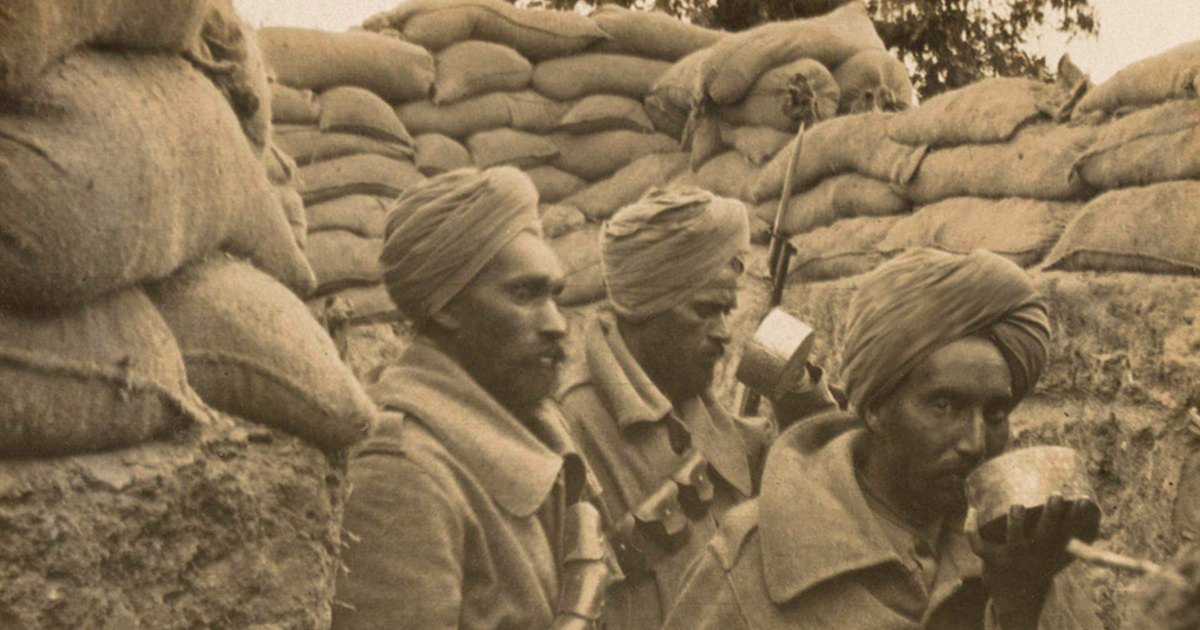
Saragarhi, France, Gallipoli, Burma and Private Buckam Singh of Kitchener: the Sikh soldiers of the World Wars, their courage and what the official story left out.
8 min read
ਲੰਡਨ, ਓਨਟਾਰੀਓ ਵਿੱਚ ਖੇਡ, ਸੱਭਿਆਚਾਰ ਅਤੇ ਸੇਵਾ
ਸ਼ਰਧਾਂਜਲੀ
1952 – 1995 · ਮਨੁੱਖੀ ਹੱਕਾਂ ਦੀ ਸੱਚੀ ਆਵਾਜ਼
A bank official from Amritsar who read the state’s own cremation registers, counted the disappeared of Panjab, and was made to disappear for it. One lamp of truth against a long night of power.
Between 1984 and 1995, Panjab lived under a darkness that the official story still prefers not to name. Young men were taken from their homes, from fields and from bus stops by the police and security forces, and many never came back. Their families went from station to station and from court to court, and were told the same thing everywhere: there was no record, no arrest, no one by that name.
Jaswant Singh Khalra was not a politician, a soldier or a famous man. He was a bank official in Amritsar, a husband and a father, who served as general secretary of the human rights wing of the Akali Dal. Against that vast darkness he lit a single lamp, and the lamp was a ledger.
Khalra understood something that every centralised power fears: the state writes things down. He and his colleagues went to the municipal cremation grounds of Amritsar district and read the registers line by line. There, beside entries marked “unidentified” and “unclaimed”, were records of firewood bought for cremations and of bodies brought in by the police. The people the state said it had never held had been counted after all, at the moment they were turned to ash.
In January 1995 he made his findings public: thousands of secret cremations in Amritsar district alone. It was not rumour or grief speaking. It was the state’s own paperwork, turned around to face it. That is what made it unbearable to those in power.
ਰਾਜੇ ਸੀਹ ਮੁਕਦਮ ਕੁਤੇ ॥
ਜਾਇ ਜਗਾਇਨਿ ਬੈਠੇ ਸੁਤੇ ॥
Rāje sīh mukadam kute. Jāe jagāin baiṭhe sute.
“The kings are tigers and their officers are hounds; they go and rouse those who sit and sleep in peace.”
Five centuries before Khalra, Guru Nanak named the same structure: power at the top, and an apparatus below it that hunts ordinary people in their homes. The Guru did not speak in private. He spoke to rulers. Khalra stood in that line.
In 1995 Khalra travelled to Canada and spoke to Panjabi audiences and Canadian parliamentarians about what the registers showed. He knew the danger. Friends urged him to stay away from home. He went back anyway, because the families in Panjab could not leave and the work was not finished.
On 6 September 1995 he was taken from outside his own home in Amritsar. The police denied holding him. Years later a witness told the court that he had been kept and tortured in custody for weeks, killed, and his body thrown into a canal. It was never recovered. The man who counted the disappeared was made to disappear.
ਭੈ ਕਾਹੂ ਕਉ ਦੇਤ ਨਹਿ ਨਹਿ ਭੈ ਮਾਨਤ ਆਨਿ ॥
ਕਹੁ ਨਾਨਕ ਸੁਨਿ ਰੇ ਮਨਾ ਗਿਆਨੀ ਤਾਹਿ ਬਖਾਨਿ ॥
Bhai kāhū kau det nahi nahi bhai mānat ān. Kahu Nānak sun re manā giānī tāhi bakhān.
“One who frightens no one and fears no one: says Nanak, listen, O mind, call that one truly wise.”
His disappearance did what his lamp had set out to do: it forced the question into the open. The Supreme Court of India ordered the Central Bureau of Investigation to look into the cremations, and its report identified 2,097 bodies cremated at Amritsar, Tarn Taran and Majitha. The National Human Rights Commission later ordered compensation for the families of many of the dead.
In 2005 six Punjab Police officials were convicted over Khalra’s abduction and murder. The High Court raised four of the sentences to life imprisonment in 2007, and in 2011 the Supreme Court upheld them. Yet for most of the thousands in those registers, no one has ever been held to account. Rights groups have documented how the officers responsible were protected and promoted. Insaaf, for most families, is still a door that has not opened.
The poet Pash warned that the most dangerous thing is not oppression itself but settling into a dead calm, letting our dreams die quietly. Khalra refused that calm. He treated every missing young man as a person with a name, a mother and a story, when the state narrative had reduced him to a blank line. Bearing witness, for him, was not a slogan. It was arithmetic, patience and courage.
ਇਹ ਵੀ ਪੜ੍ਹੋ: Khalra on his birth anniversary · Sikh Genocide 1984 · The Anandpur Sahib Resolution
ਸ਼ਨੀਵਾਰ, 5 ਸਤੰਬਰ 2026 · ਸਵੇਰੇ 10:30 – ਦੁਪਹਿਰ 1:00
820 Wharncliffe Rd S, London, ON N6J 2N4
ਕੈਨੇਡੀਅਨ ਬਲੱਡ ਸਰਵਿਸਿਜ਼ ਦੇ ਸਹਿਯੋਗ ਨਾਲ · ਟੀਮ ਆਈ.ਡੀ. PANJ0127964
This account is a summary rather than a scholarly account; readers who want the full record should consult the judgments of the Indian courts and the published reports of human rights organisations that have documented this period.
Saragarhi, France, Gallipoli, Burma and Private Buckam Singh of Kitchener: the Sikh soldiers of the World Wars, their courage and what the official story left out.
8 min read
On his birth anniversary: Bhai Jaswant Singh Khalra (1952-1995): the secret cremations he documented in Punjab, what the courts later found, and how his name is honoured in Canada.
4 ਮਿੰਟ ਦੀ ਪੜ੍ਹਤ
30 ਅਕਤੂਬਰ 1922 ਨੂੰ ਹਸਨ ਅਬਦਾਲ ਦੀ ਸੰਗਤ ਰੇਲ ਦੀ ਪਟੜੀ ਉੱਤੇ ਬੈਠ ਗਈ ਤਾਂ ਜੋ ਗੁਰੂ ਕਾ ਬਾਗ਼ ਦੇ ਕੈਦੀਆਂ ਨੂੰ ਲੰਗਰ ਛਕਾਇਆ ਜਾ ਸਕੇ। ਭਾਈ ਕਰਮ ਸਿੰਘ ਅਤੇ ਭਾਈ ਪ੍ਰਤਾਪ ਸਿੰਘ ਨੂੰ ਯਾਦ ਕਰਦਿਆਂ।
4 ਮਿੰਟ ਦੀ ਪੜ੍ਹਤ